


With a history of over 500 years, Yamaga Tourou is a traditional craft from Yamaga City in Kumamoto Prefecture, meticulously created using nothing but handmade washi paper and a small amount of paste—no wood, no metal.
What began as an expression of prayer and hope among the people of Yamaga has grown over centuries, shaped by time and culture, into a multifaceted tradition encompassing festivals, dances, and exquisite craft.
The spirit and skill of lantern-making, lovingly preserved in this region, have been passed down through generations.
Today, contemporary touroushi—lantern artisans—carry forward this legacy with quiet dedication, weaving light and tradition into the future.
Yamaga Tourou are intricate handcrafted works made entirely from washi paper and natural paste. Each year on August 15th and 16th, these lanterns are created as offerings for the grand Yamaga Tourou Festival, dedicated to the Omiya Shrine. The designs vary widely—from traditional architecture such as shrine-style and tatami-room models, to forms like golden lanterns and birdcages. Despite being called “tourou” (lanterns), many of them are purely ornamental and do not actually emit light.

Rather than layering paper for thickness, every component of a Yamaga Tourou is constructed as a hollow form, making the entire piece exceptionally lightweight. To achieve smooth curves and precise joints, artisans use sophisticated techniques such as koguchi-zuke, a method that joins edges without tabs, relying solely on the thickness of the paper.
The washi paper used is made from Higo kouzo (mulberry) grown in the Kahoku area of Yamaga, then crafted into paper specifically for lantern-making in nearby Yame, Fukuoka. Colors are applied through dyeing or printing, while gold lanterns feature urauchi—a process where gold foil is carefully applied by hand to the reverse side of the washi.
Today, there are just seven professional touroushi—master lantern artisans—who carry on this tradition. Each one brings their own creativity and dedication to the craft, blending innovation with time-honored techniques. In 2012, these artisans formed the Yamaga Tourou Promotion Association to ensure the preservation and evolution of their art. In 2013, Yamaga Tourou were officially designated as a Traditional Craft of Japan, a recognition of their cultural and artistic significance.

An object can only be called a Yamaga Tourou when it meets all of the following conditions and is crafted by a certified touroushi (lantern artisan):
Strictly adhering to these standards, Yamaga Tourou are brought to life through the hands of skilled artisans.
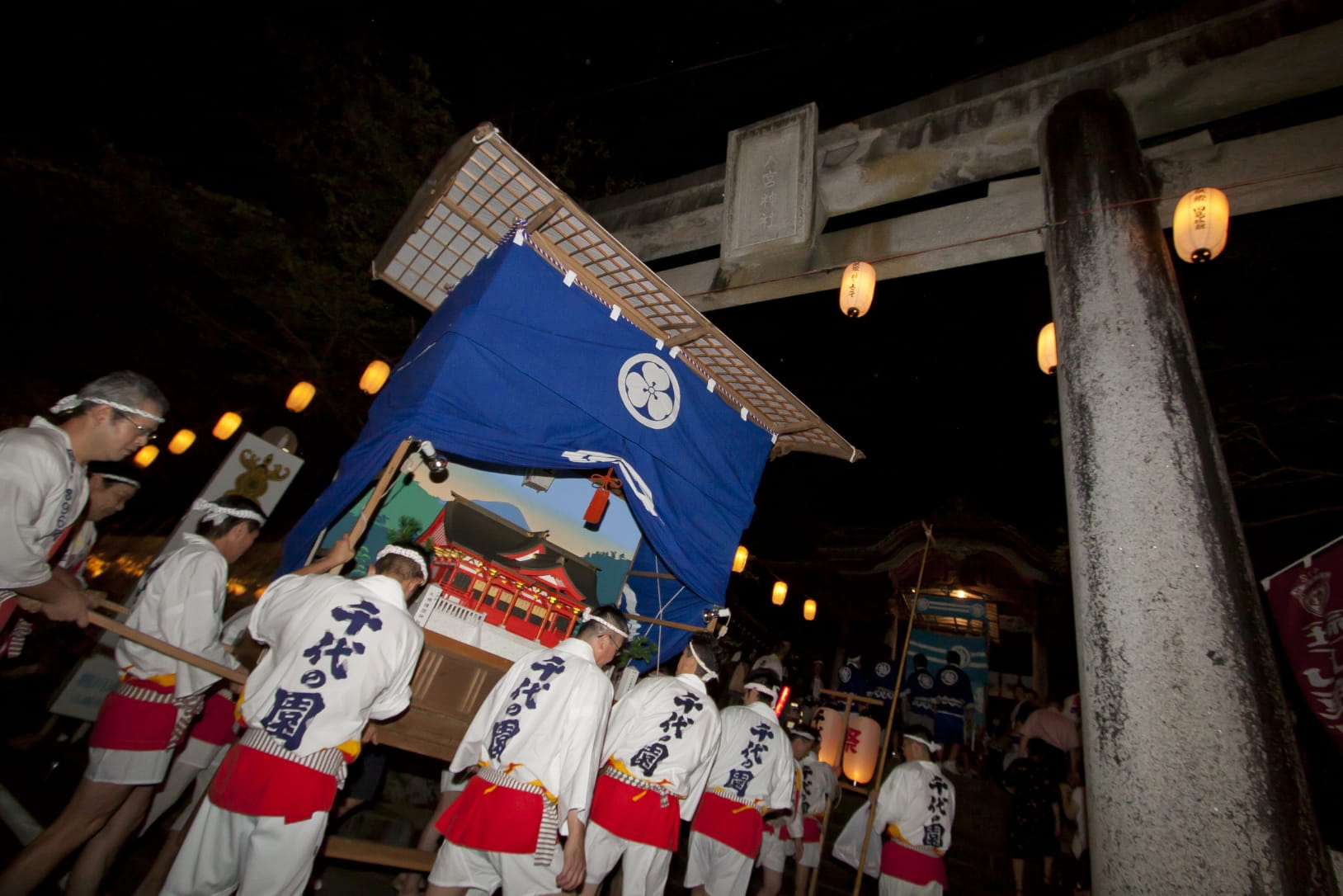
Held annually on August 15th and 16th in Yamaga City, Kumamoto Prefecture, the Yamaga Tourou Festival is a time-honored ritual centered around Omiya Shrine. Its origins trace back to a legendary visit by Emperor Keikō.
According to the legend, when dense fog blanketed the Kikuchi River basin, the emperor’s journey was halted. The people of Yamaga lit torches and guided him through the mist. This act of devotion inspired a tradition of presenting torches to the shrine. Over time, these torches evolved into Yamaga Tourou—crafted from washi paper—during the Muromachi period.
In the Edo period, the town’s wealthy merchants, known as dannashū, began competing to create more elaborate lanterns as offerings, pushing the artistry to new heights. Thus, Yamaga Tourou became not only sacred offerings, but also symbols of the town’s prosperity and pride.
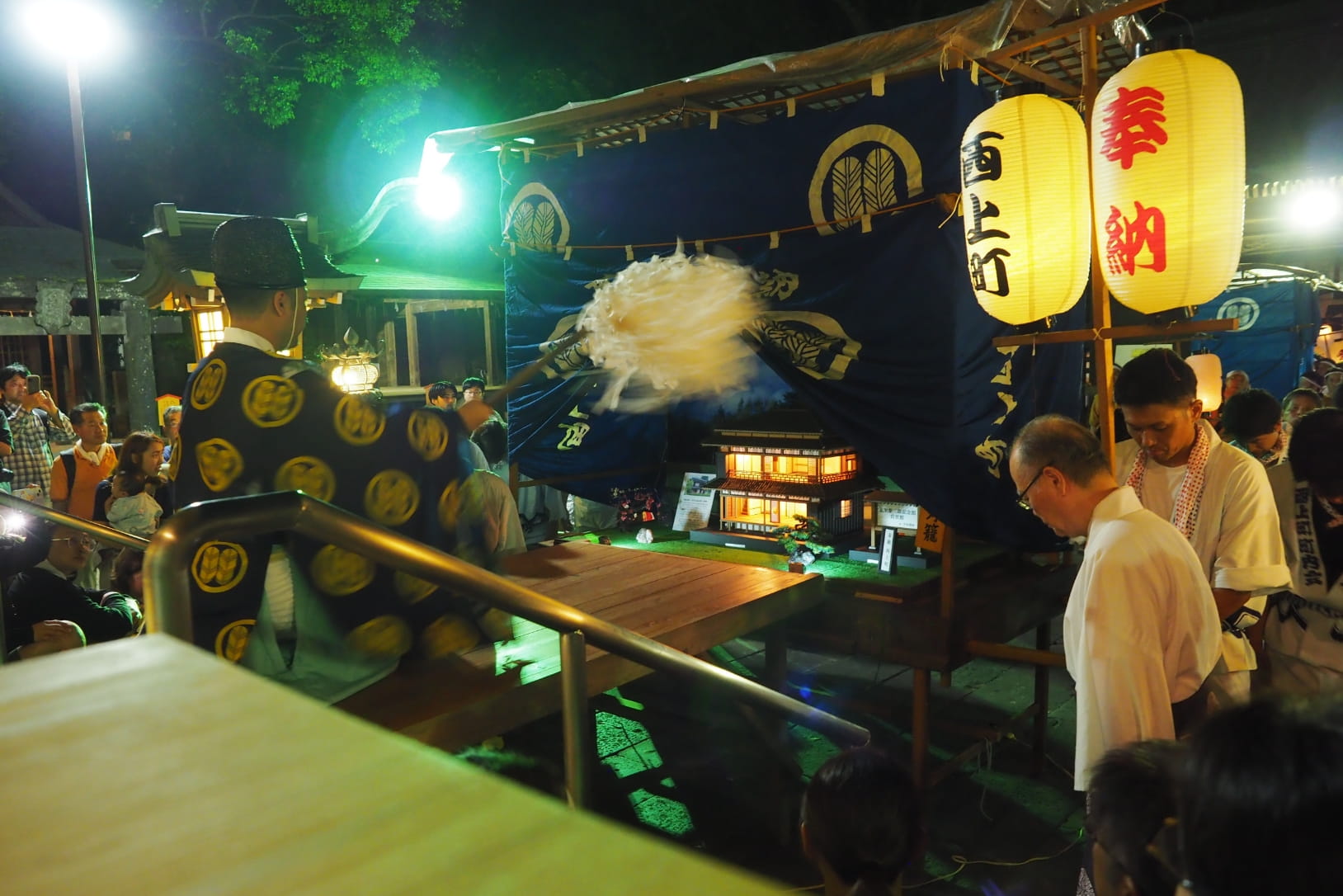
Each spring in April, the Lantern Production Ceremony is held at Omiya Shrine to mark the beginning of the year’s lantern-making season. Community groups and neighborhood associations commission touroushi to create lanterns that will be offered during the festival. As of 2025, approximately 30 groups participate, with all lanterns crafted by just seven artisans.
On the morning of August 15th, the town is decorated with lanterns, creating a festive atmosphere. Then on the night of the 16th, these offerings are carried on portable shrines through the town in a ceremony called Agari Tourou. With shouts of “Haai tourou!” echoing through the streets, the groups make their way to Omiya Shrine. At midnight, the lanterns are enshrined in the Tourou Hall, where they remain on display and available for purchase for one year. Each year, new lanterns are made—including both traditional architectural styles and unique, contemporary designs that reflect the spirit of the times.
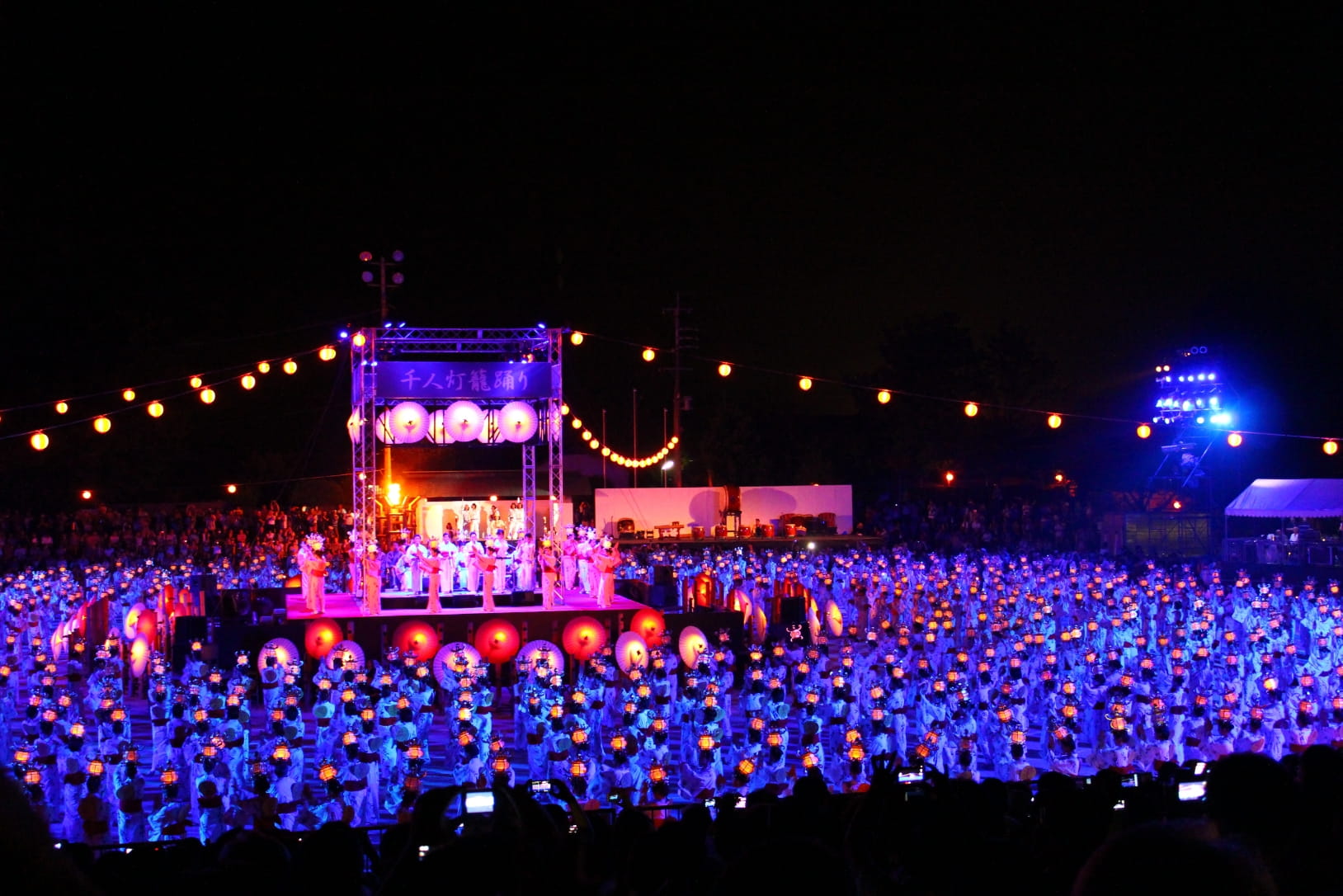
Another highlight of the festival is the Sen-nin Tourou Odori, or Thousand Lantern Dance, in which a thousand women gracefully dance with golden Yamaga lanterns atop their heads. First conceived in 1957 by the city hall, tourism board, and local women’s association as a way to attract visitors, the dance has since become the centerpiece of the festival. Bathed in the soft glow of paper lanterns, the dancers move in unison, creating a mesmerizing and dreamlike atmosphere. Notably, the golden lanterns used for the dance are typically reused year after year.
Yamaga Tourou are more than traditional crafts—they are vessels of history, skill, and local devotion. Their elegant forms and meticulous construction continue to captivate people across generations.
As the tradition continues to evolve, the quiet glow of Yamaga Tourou lights the path forward, preserving the past while embracing the future.
Often referred to as “boneless lanterns”, Yamaga Tourou are crafted entirely from washi paper without using any wood, bamboo, or metal. The entire structure is composed of carefully joined paper surfaces, with every part—including internal columns—hollow on the inside. These three-dimensional forms are created by assembling individually crafted paper components.
Lanterns that resemble architecture—such as shrine-style or tatami-room-style designs—are not built to precise scale. Instead, they follow original dimensions that highlight their sculptural beauty and sense of volume.
A method of shaping flat paper by pressing it with a spatula or stick to create gentle curves. This technique brings a soft, organic flow to decorative elements—such as the flared rooftops of architectural lanterns or the ornate details of golden lanterns. Creating smooth and even curves by hand requires subtle skill and a practiced touch.
A high-level technique that connects the raw edges of paper using only its thickness—without overlapping tabs. It gives structure and sharpness to the overall form, creating a clean, crisp impression. This technique is widely used in key structural areas, but it demands both speed and precision.
A method for adding thickness to parts by lifting two identical paper shapes with a spacer in between. This is a signature technique in Kanatourou (golden lanterns), especially for forming legs and frames. The key is to build without distortion, maintaining balance and proportion throughout.
Yamaga Tourou come in a wide variety of traditional styles, primarily created as offerings to the local shrine. Among the most iconic is the Kanatourou (golden lantern), alongside Miyazukuri (shrine-style), Zashikizukuri (tatami-room-style), Shirozukuri (castle-style), Torikago (birdcage-style), and Yatsubo (arrow container) designs.
In addition to these established forms, there are many other original works created through the continuous exploration and refinement of technique by the touroushi (lantern artisans).
Some pieces, especially in the Zashikizukuri style, are notable for their astonishing detail. Entire interiors—complete with shoji (paper sliding screens), fusuma (opaque partitions), and tatami mats—are meticulously recreated using only washi paper. These works showcase the remarkable precision and artistry that define Yamaga Tourou.


Here you’ll find information on where to see Yamaga Tourou in person, how to purchase or commission works from master lantern artisans (touroushi), available sizes of Kanatourou (golden lanterns), and where to inquire about custom orders.
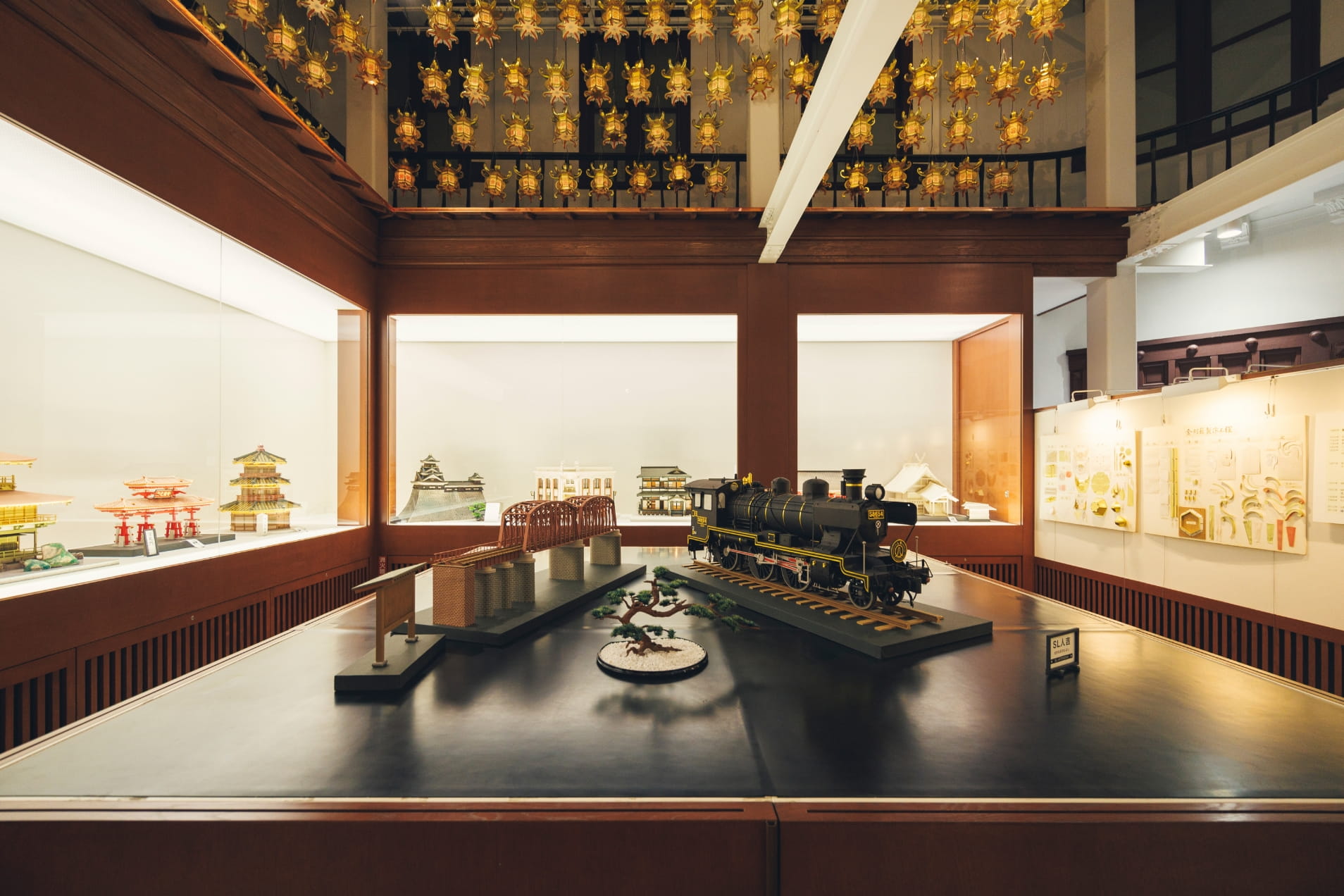
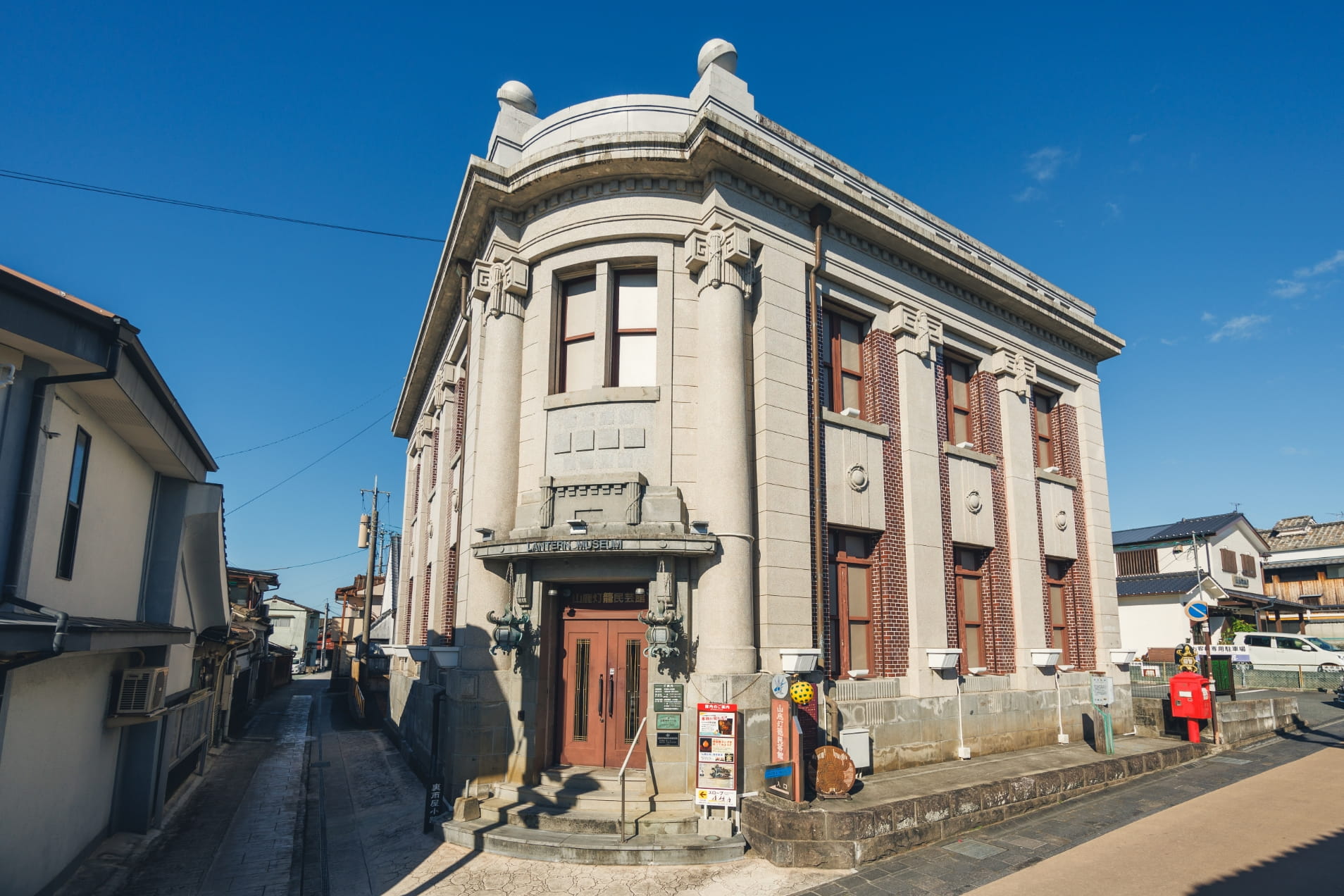
This museum showcases a wide range of Yamaga Tourou works from past years, along with live demonstrations by skilled touroushi.
You can also take part in a hands-on workshop to create a Giboushi Lamp (reservation required). For details, please refer to the information below.
| Address | 1606-2 Yamaga, Yamaga City, Kumamoto 861-0501 |
|---|---|
| Tel | 0968-43-1152 |
| Hours | 9:00-18:00 |
| Admission | 300 yen (general public) |
| Website | https://yamaga.site/?page_id=1550 |

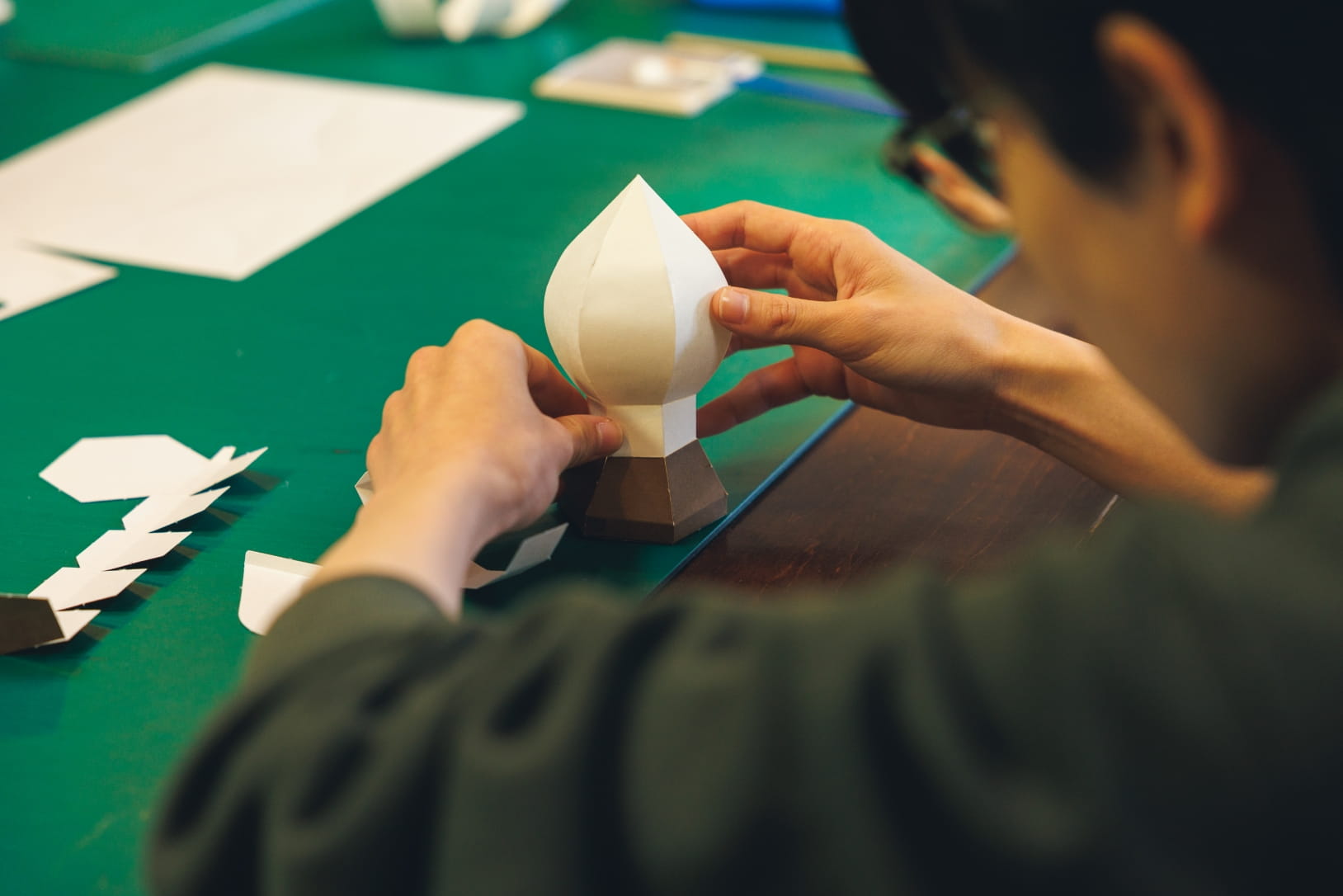
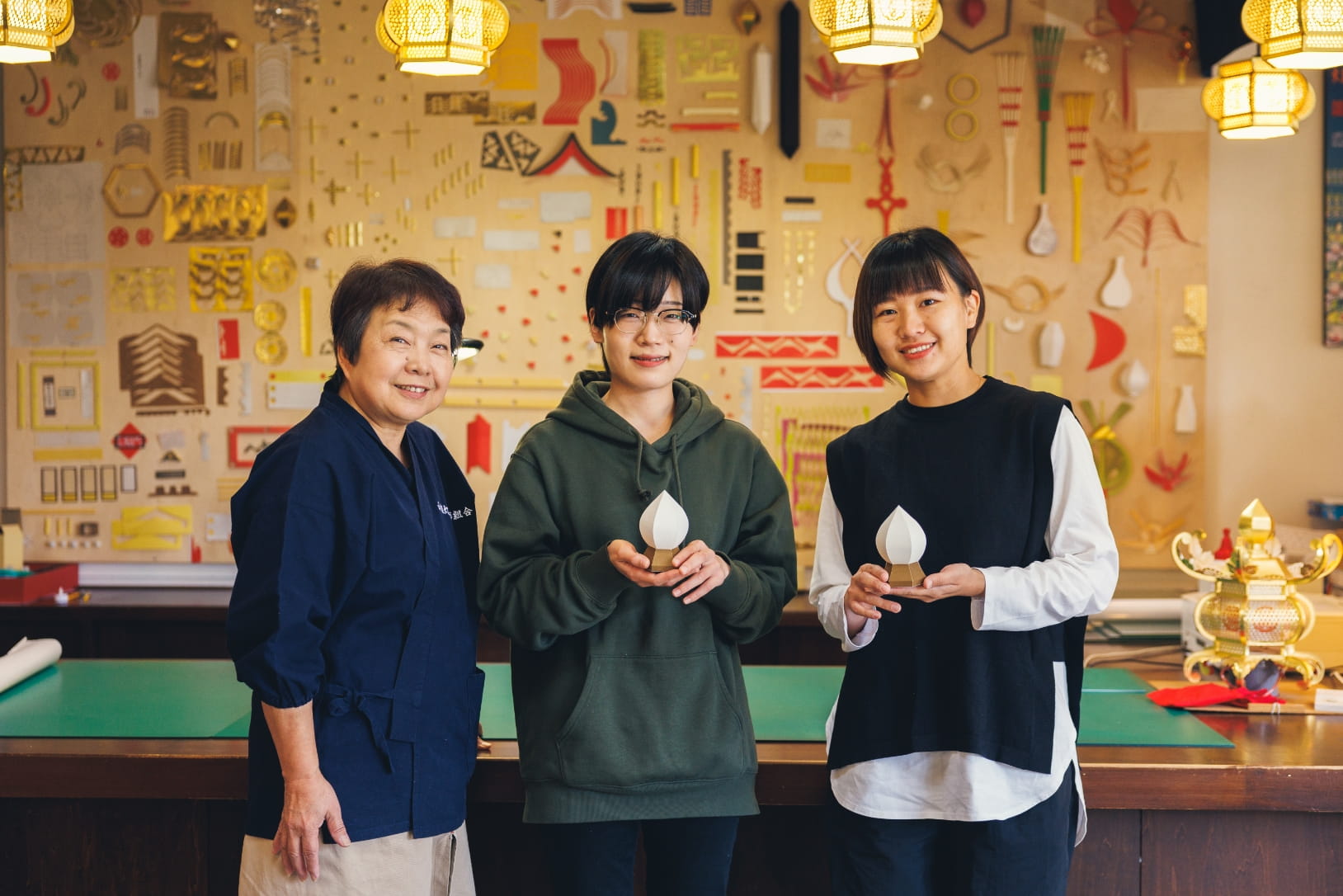
Create your own small lamp inspired by the traditional giboushi shape (the ornamental finials found on bridges and temples).
| Fee | 1,500 yen |
|---|---|
| Time required | 30 minutes to 1 hour |
| Capacity | Up to 4 participants |
| Reservation | Required in advance (Same-day reservations may be available. Please call to inquire.) |
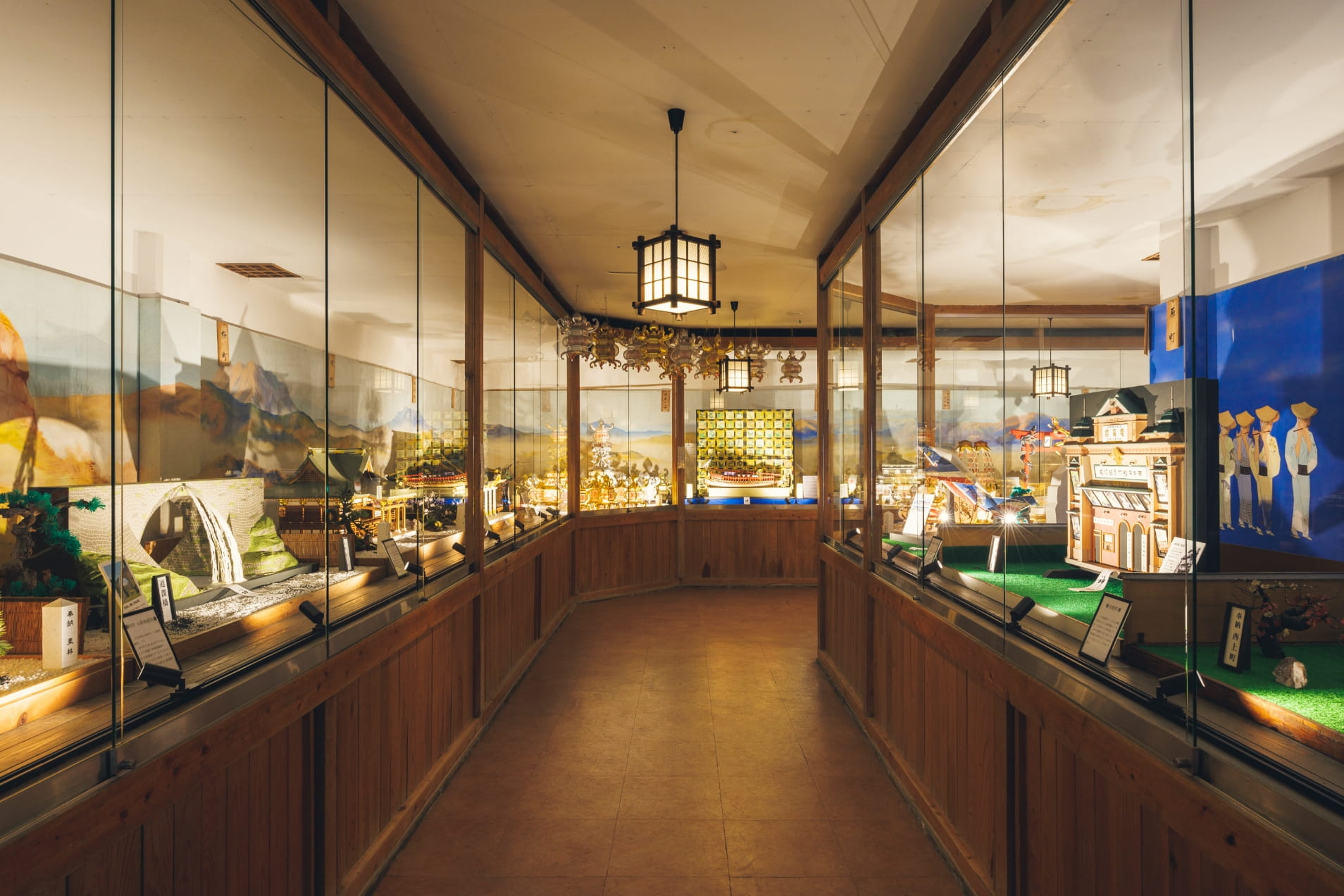
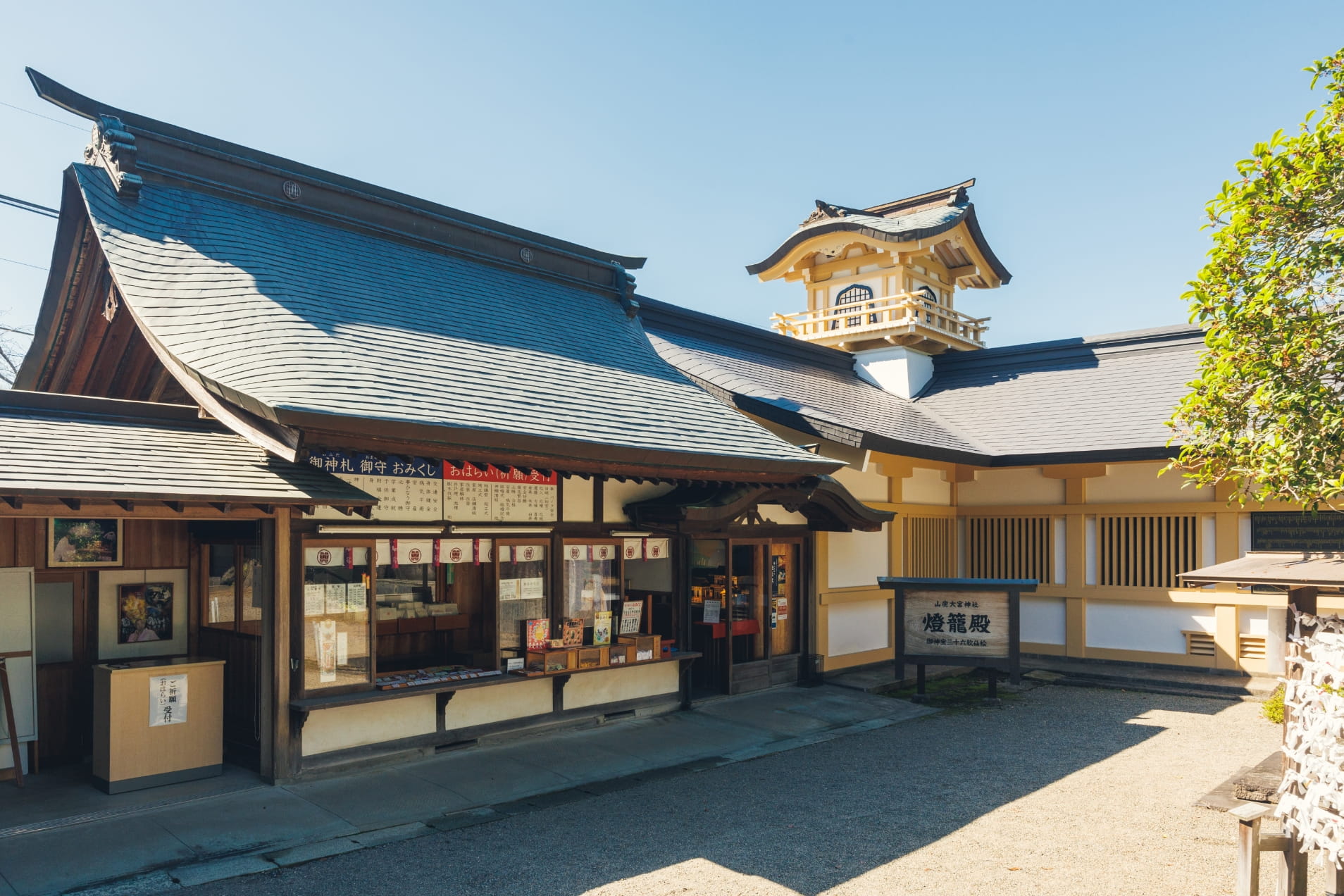
Located next to the shrine, this exhibition hall displays all the Yamaga Tourou (offering lanterns) that were dedicated during the annual Yamaga Tourou Festival. All pieces remain on display and are available for purchase for one year.
| Address | 196 Yamaga, Yamaga City, Kumamoto 861-0501 |
|---|---|
| Tel | 0968-44-1257 |
| Hours | 8:00–16:30 |
| Admission | 200 yen (general public) |
| Website | http://oomiya.pigboat.jp |
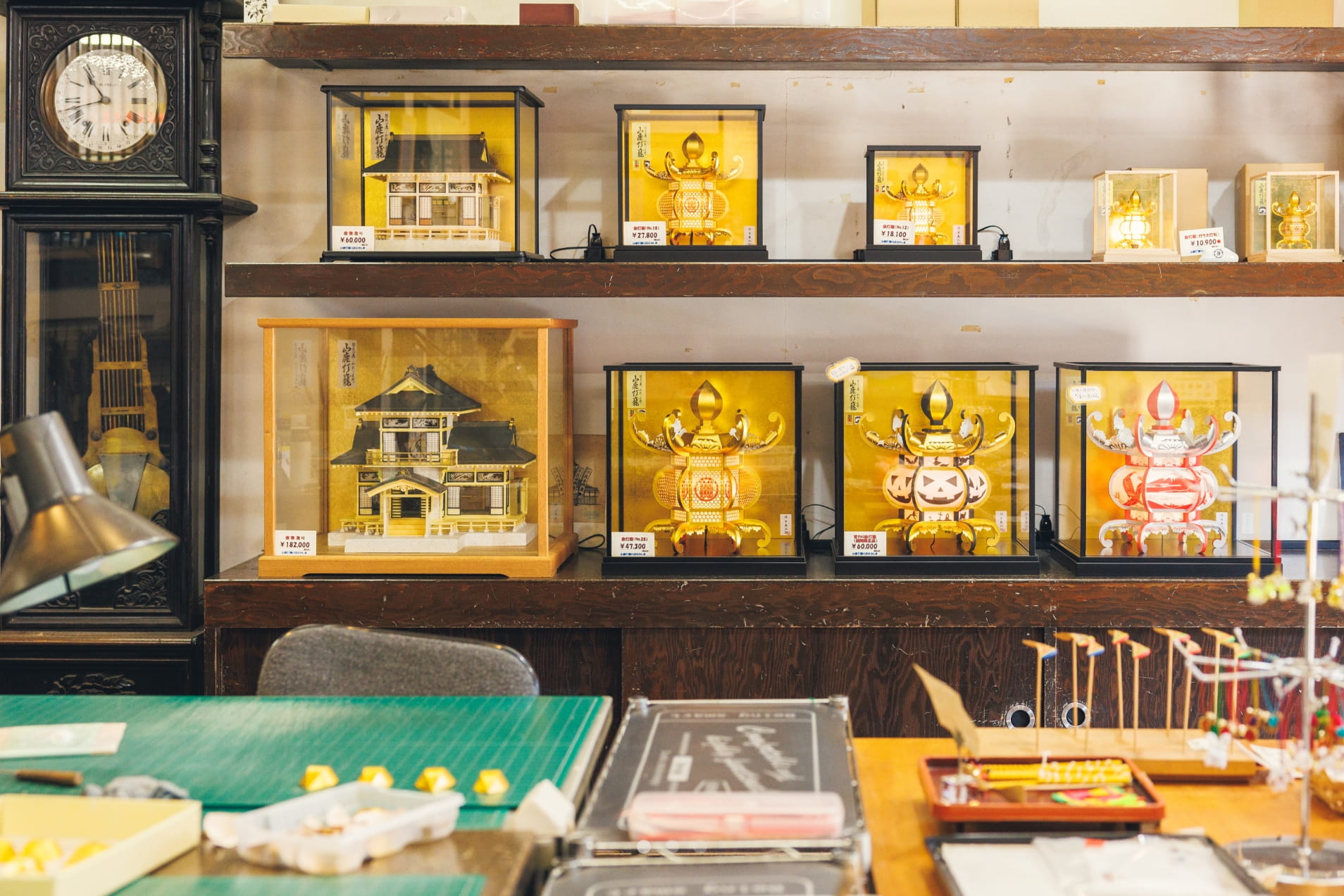
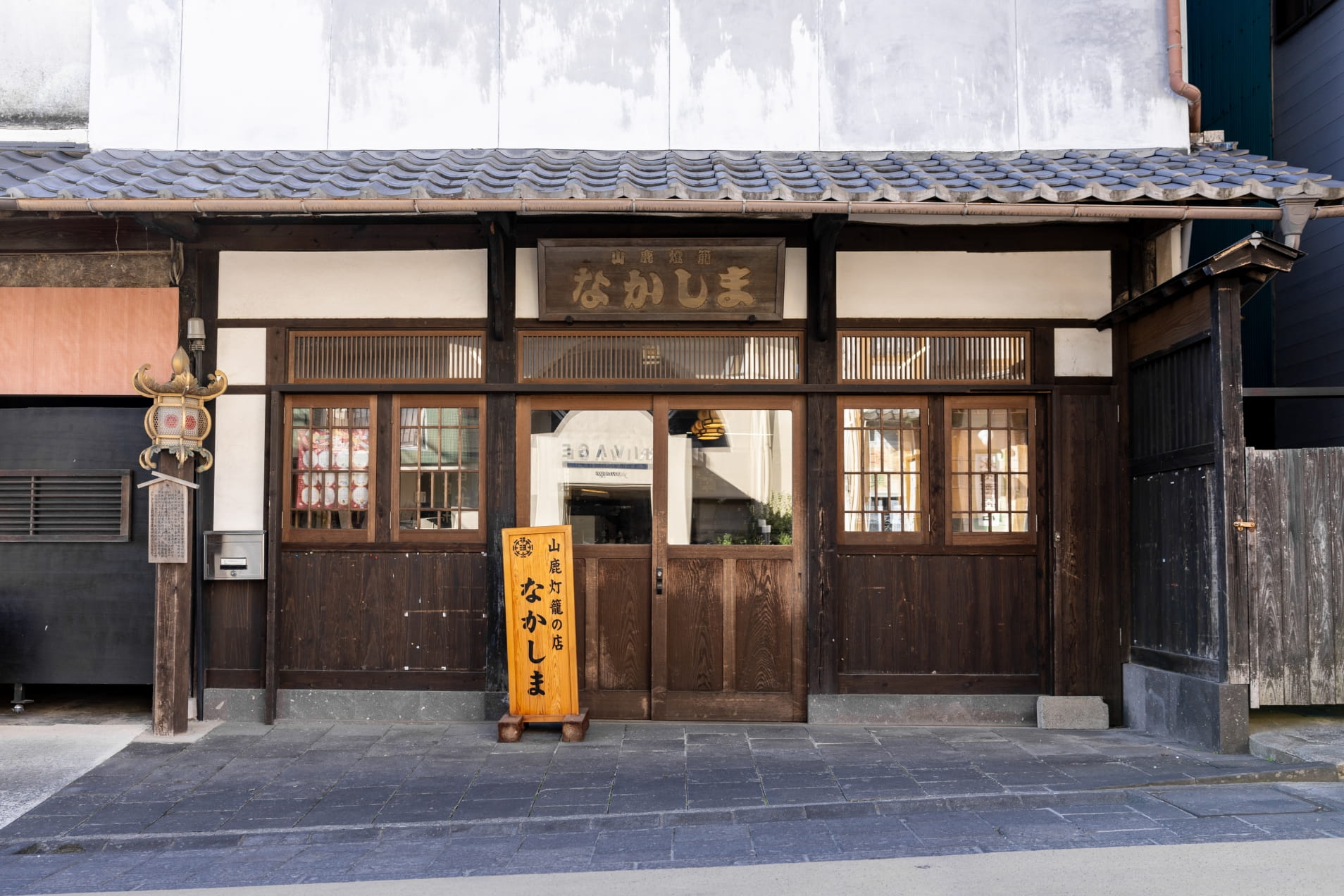
The only specialty shop dedicated to Yamaga Tourou.
Offers a variety of Kanatourou in different sizes, along with other types of lanterns and original items such as golden lantern mobile phone charms.
| Address | 1588 Yamaga, Yamaga City, Kumamoto 860-0501 |
|---|---|
| Tel | 0968-43-2659 |
| Hours | 10:00-17:30 |
| Closed | Wednesdays |

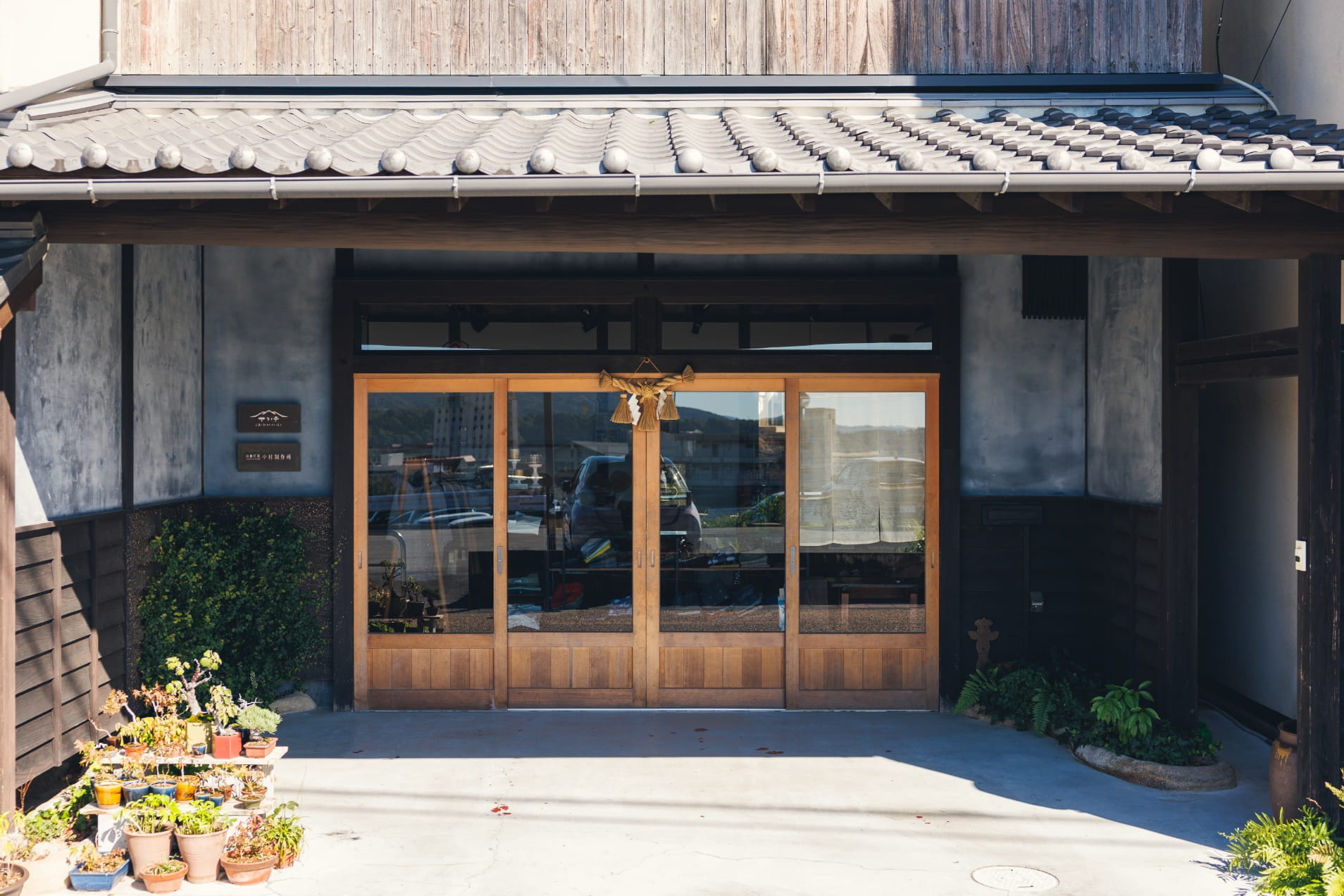
A shop that creates and sells interior décor inspired by Yamaga Tourou techniques—such as mobiles, aroma diffusers, and good-luck ornaments.
In addition to Yamaga Tourou items, Yamanote curates handmade goods from Yamaga and other travel destinations.
| Address | 1375 Yamaga, Yamaga City, Kumamoto 861-0501 |
|---|---|
| Tel | 0968-31-0087 |
| Hours | 11:00-17:00 |
| Closed | Mondays, Tuesdays, and Wednesdays |
| Website | https://yamaga-yamanote.com |
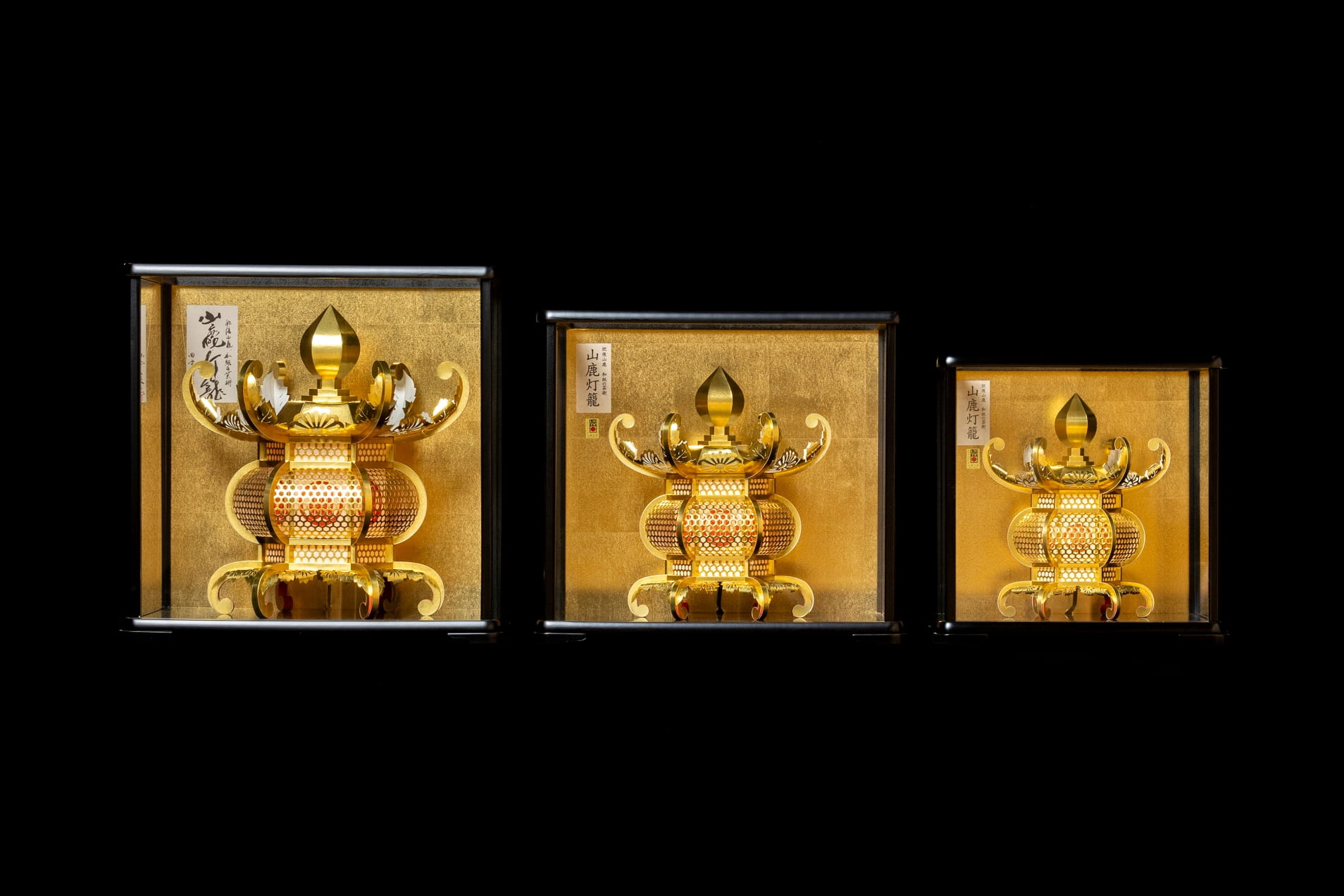
If you wish to order a Kanatourou (golden lantern), please refer to the following sizes and contact a certified touroushi directly.
| Large | W44 × H44 × D38 cm – 48,000 yen (+tax) |
|---|---|
| Medium | W43 × H39 × D34 cm – 44,000 yen (+tax) |
| Small | W34 × H34 × D29 cm – 40,000 yen (+tax) |